
Electricity powers our modern lives, but it can be downright dangerous if not respected. For home enthusiasts looking to tackle minor electrical fixes, safety is paramount. Step into a world where empowerment meets caution, as we explore safe ways to manage those pesky electrical hiccups with confidence.
Understanding Basic Circuitry
Before diving into any electrical work, it's vital to have a basic understanding of how your home's electrical system works. Electricity flows through circuits, and each circuit is protected by a circuit breaker. Olivia Grant, an experienced home renovator, likens circuits to a train track, guiding the power to its destination while ensuring everything remains on the right path.
Essential Tools for the Job
Equipping yourself with the right tools is half the battle. Essential items include a voltage tester, insulated screwdrivers, wire cutters, and electrical tape. Familiarize yourself with these tools as they are your allies in ensuring the job is done safely. Imagine Jim Wallace, a seasoned DIY enthusiast, standing proudly in his workshop, a trusty voltage tester in hand.
Power Down Before Starting
This might seem obvious, but many accidents happen due to skipping this vital step. Always switch off the power at the main panel before touching any electrical components. Sarah Bennett, a cautious homeowner, reiterates the importance of double-checking that the power is truly off, comparing it to buckling your seatbelt before driving.
Identifying Minor Fixes You Can Handle
Not every electrical fix requires a professional. Replacing a light switch, installing a new outlet cover, or replacing a faulty plug can often be tackled by a careful homeowner. Mark Spencer, a home repair enthusiast, offers sage advice: know your limits and don't hesitate to call in the pros for anything beyond your expertise.
Replacing a Light Fixture
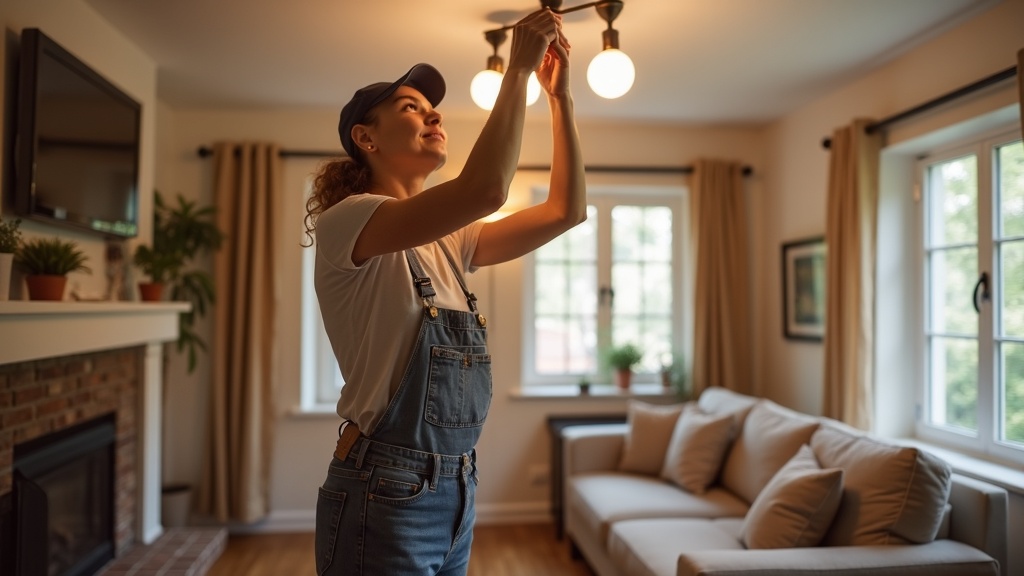
Changing a light fixture is a common task that many DIYers can master with a little guidance. Ensure the new fixture is compatible with your wiring and follow the manufacturer's instructions precisely. Amelia Holmes, a dedicated DIY blogger, shares her tip: don't rush, and remember that patience is key to achieving that perfect glow.
Troubleshooting Common Problems
Some issues, like a tripped breaker or a flickering light, have surprisingly simple solutions. Start by checking your breaker box and replacing any blown fuses. For flickering lights, ensure bulbs are screwed in firmly. Jack Watson, an avowed fixer-upper, reminds us that sometimes solving these issues is like solving a mystery novel—think logically and step-by-step.
Utilizing Wire Cables Safely
Handling wire cables might seem intimidating, but it's manageable with caution. Always ensure you're using the right gauge wire for the job and secure connections with proper wire nuts. Lisa Tran, an electrician by training, emphasizes the importance of neatness, akin to maintaining order in a well-stocked kitchen pantry.
Safety Comes First: Use Protective Gear
Safety isn't just about equipment and knowledge but also about how you protect yourself. Wear rubber-soled shoes and avoid working near water. Eliot Harris, an advocate for safety in home repairs, stresses the importance of protecting one's eyes and hands with safety glasses and insulated gloves.