
Embarking on home repairs can be both thrilling and intimidating for a novice. Safety, however, should remain a top priority as you tackle various projects. Discover essential repair habits that not only simplify your tasks but also ensure safety while you embrace the DIY spirit.
The Toolbox Chronicles: Arm Yourself Right
Just like a knight needs his sword, a proper toolbox is a DIYer’s best ally. Investing in fundamental tools such as a screwdriver set, pliers, wrenches, and a cordless drill not only boosts your competency but also your confidence. Always ensure your tools are in optimal condition to prevent potential mishaps.
Dressed for Success: The Right Gear
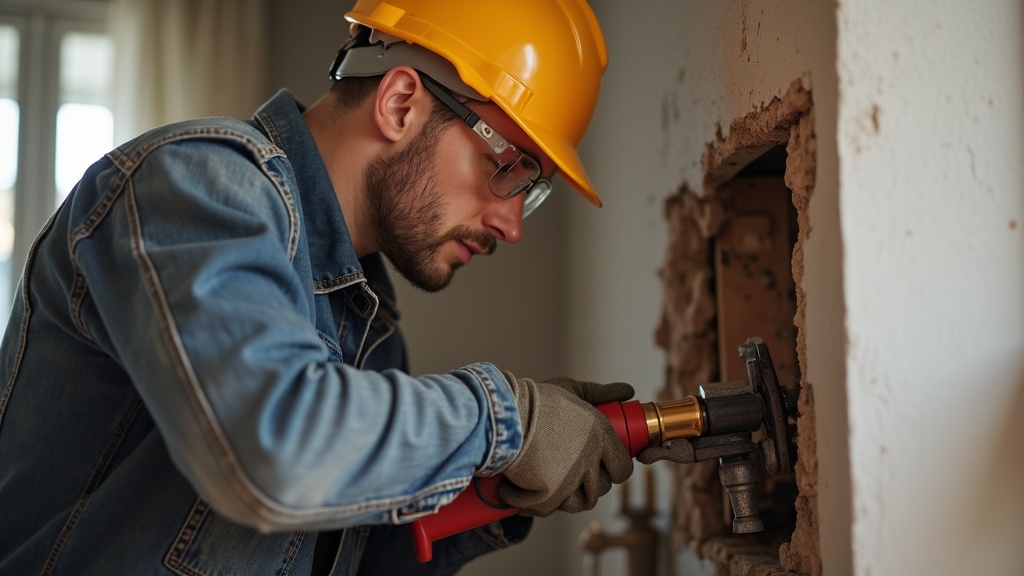
Safety in home repairs begins with what you wear. Suitable clothing and protective gear such as gloves, goggles, and sturdy boots are crucial. By donning the right apparel, you minimize the risk of injury, making it safer to cut, drill, and hammer away at will.
Plumbing Prowess: Clearing Clogs Meticulously
Tackling plumbing projects like unclogging drains can get messy quickly. Start by using a plunger or a plumbing snake carefully without forcing or causing damage to pipes. Remember, patience is key, and if in doubt, consult detailed guides or reach out to a professional.
Electrical Efforts: Power Down First
Ensuring safety when dealing with electrical repairs is non-negotiable. Always switch off the main power and verify circuits are de-energized before beginning work. Invest in a voltage tester as a precautionary measure. Safety steps like these are fundamental in preventing electrical shocks or fires.
Fixture Fortitude: Handling Installations with Care
When it comes to installing fixtures, precision, and meticulousness are your allies. Follow manufacturer instructions scrupulously and use the correct adhesives and supports. Missteps in this area can lead to accidents, so caution and patience should guide the entire process.
Steps to Success: Planning Your Repairs
Strategize before you start. Having a clear plan broken down into manageable steps prevents unnecessary delays or confusion. Create a detailed checklist and gather all the materials and tools you might need beforehand, ensuring a smoother and safer repair journey.
Troubleshooting Triumph: Diagnosing Issues Effectively
Developing solid troubleshooting tactics is key to resolving issues efficiently. Learn to identify common problems quickly through examining symptoms. Whether it’s a leaky faucet or a faulty light fixture, precise identification leads to more effective and safe solutions.
Safety Signals: Recognize When to Seek Help
Knowing your limits is a strength, not a weakness. Recognize when a repair is beyond your skill level or if conditions become unsafe. Don't hesitate to call in a professional who can handle complex issues, ensuring the job is completed both safely and correctly.
Cultivate Courage: Building Confidence in Your Skills
Gaining proficiency in repairs is about practice, patience, and a willingness to learn. Embrace minor setbacks as opportunities to grow, and soon, your confidence will soar alongside your capability. Celebrate each success, and before long, home repairs will become an enjoyable venture.